
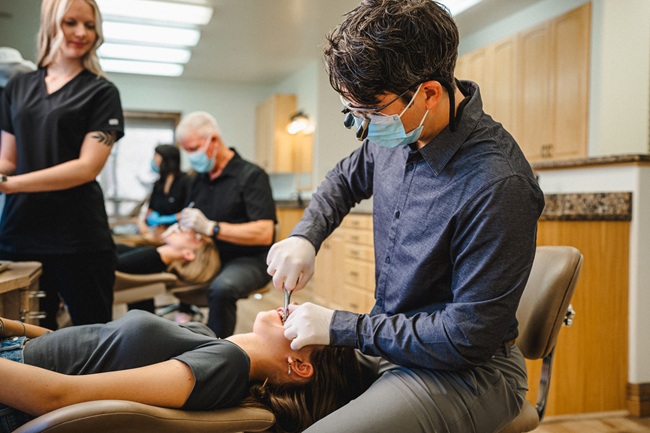
Understanding Orthodontic Emergencies
Orthodontic emergencies aren’t common, but when they happen, knowing how to respond makes all the difference. Whether it’s a poking wire, a loose bracket, or unexpected discomfort, being prepared helps prevent panic and ensures your treatment stays on track.
For teens and adults alike, quick action and knowing when to call your orthodontist can reduce pain, prevent complications, and protect your braces or aligners from damage.
What Qualifies as an Orthodontic Emergency?
Not every braces-related issue is an emergency, but some demands more urgent attention than others. Generally, an orthodontic emergency involves:
- Pain that can’t be managed at home
- Broken appliances that disrupt your treatment
- Injuries to the mouth or teeth caused by braces
Here are some of the most common orthodontic problems—and what you should do in each situation.
Common Orthodontic Emergencies and What to Do
1. Loose Bracket or Band
Brackets may come loose from the tooth if you eat something too hard or sticky—or from an impact. If the bracket is still attached to the wire and not causing discomfort, leave it in place and contact your orthodontist to schedule a repair.
If it’s moving around or irritating your mouth, you can:
- Push it back into place using a cotton swab or pencil eraser
- Cover it with orthodontic wax to reduce rubbing
- Avoid hard or crunchy foods until it’s fixed
Don’t attempt to glue it back yourself—your orthodontist will fix it properly.
2. Poking or Broken Wire
A poking wire is one of the most uncomfortable minor emergencies. As teeth shift, the ends of the archwire can move and irritate the inside of your cheeks or gums.
Here’s what to do:
- Use a clean pencil eraser or cotton swab to gently push the wire away from the irritated area
- Cover the sharp end with orthodontic wax
- If the wire is sticking out significantly and you can’t reposition it, carefully trim the end with clean nail clippers
Call your orthodontist for an appointment to repair or replace the wire as soon as possible.
3. Mouth Sores or Irritation
When you first get braces, your mouth needs time to adjust. Brackets, wires, and bands can cause friction and lead to sores or irritated spots on your cheeks and lips.
What helps:
- Rinse your mouth with warm saltwater several times a day
- Use orthodontic wax to cover irritating brackets or wires
- Apply a numbing gel if discomfort persists
If sores worsen or become infected, call your orthodontist.
4. Loose or Lost Separator (Spacer)
Orthodontic separators are small rubber rings placed between teeth before bands are applied. If one falls out, it may not be urgent—but your orthodontist may need to replace it to maintain spacing.
Contact the office to determine if you need to come in.
5. Broken Retainer or Aligner
If you lose or break your retainer or clear aligner, contact your orthodontist right away. Delaying replacement allows tooth shifting and slows your progress.
Keep the broken appliance in a clean container to bring with you to the office, and don’t try to repair it yourself.
6. Trauma or Injury to the Mouth
If you're injured in the face, jaw, or mouth—such as during sports—follow these steps promptly:
- Check for damage to teeth, braces, and gums
- Rinse your mouth with water to clean the area
- Apply ice to reduce swelling
- Contact your orthodontist and/or dentist immediately
Severe cases (like knocked-out teeth) may require emergency care. Always use a mouthguard during sports to prevent injuries like these.
How to Prepare for Orthodontic Emergencies
A little preparation goes a long way. Keep a small orthodontic emergency kit at home or in your bag, including:
- Orthodontic wax
- A mirror
- Cotton swabs
- Tweezers
- Nail clippers
- OTC pain relievers
- Salt or saline rinse
- A clean container for broken appliances
These tools can help you manage minor issues quickly and comfortably.
When Should You Call Your Orthodontist?
If you experience anything more than mild discomfort, contact your orthodontist right away. They can guide you and help prevent complications.
Call your orthodontist if:
- A wire or bracket causes pain that wax won’t relieve
- Your retainer or aligner is cracked or no longer fits
- A tooth feels loose or painful
- There’s swelling, bleeding, or signs of infection
Even if it’s not a true emergency, a quick call can give you peace of mind.
Final Thoughts
Orthodontic emergencies can be stressful—but with the right knowledge and quick action, most issues are easily resolved. Knowing what to do helps you stay calm, avoid complications, and keep your treatment progressing smoothly.
At Albrechtsen & Fanelli Orthodontics, our team is here to support you with expert care—whenever you need it. We’ll help you navigate any emergency and stay on track toward your best smile. Contact us today to learn more or schedule a consultation—because your smile deserves care that’s timely, expert, and supportive.